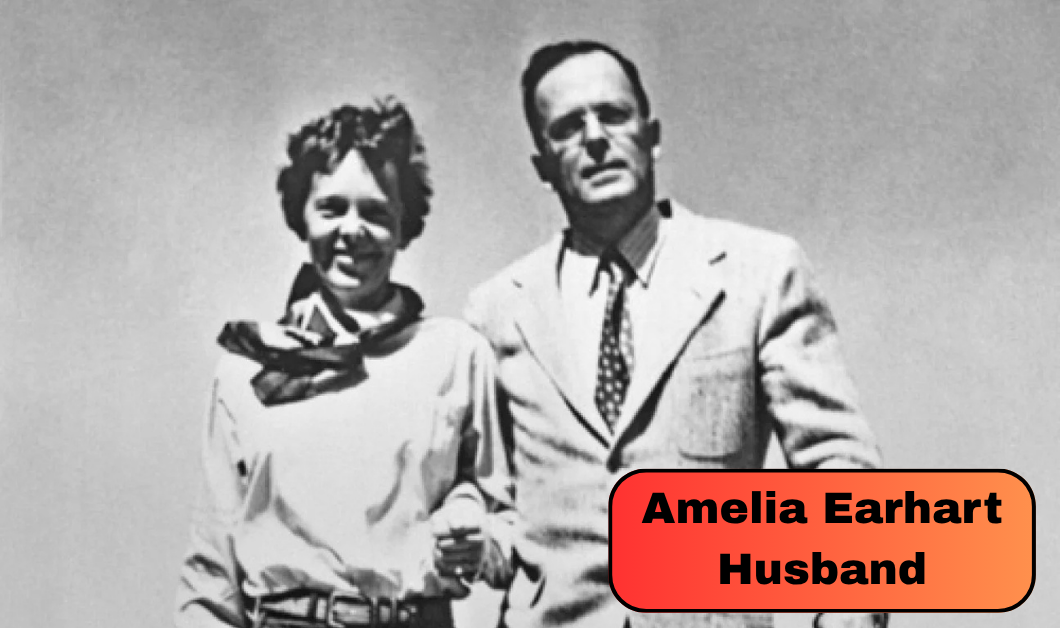
Amelia Earhart’s husband, George Palmer Putnam, played an important role in turning the pioneering aviator into an internationally recognized figure. The American publisher and publicity expert married Earhart in 1931 and helped manage her writing career, public appearances, and aviation-related projects. However, a biography by author Laurie Gwen Shapiro has raised questions about whether Putnam’s ambitious publicity strategies also placed additional pressure on the famous pilot.
The book, The Aviator and the Showman: Amelia Earhart, George Putnam, and the Marriage That Made an American Icon, was released on July 15, 2025. It examines the couple’s relationship through historical records, firsthand accounts, and previously unheard audio interviews. While their marriage helped advance Earhart’s career, the biography argues that the partnership also created professional pressures that may have influenced her increasingly ambitious flights.
Who Was Amelia Earhart’s Husband George Putnam?
George Palmer Putnam was an American publisher, author, explorer, and publicity specialist who became closely associated with Amelia Earhart’s aviation career.
Born on September 7, 1887, in Rye, New York, Putnam belonged to a family with a long history in the publishing industry.
His grandfather, George Palmer Putnam, founded the publishing company G. P. Putnam’s Sons, which became an established name in American literature.
The younger Putnam developed his own career in publishing and became known for recognizing the commercial potential of adventurous personalities and extraordinary achievements.
He worked with prominent explorers and public figures, helping transform their experiences into books and widely publicized stories.
His professional interests included exploration, aviation, and record-breaking expeditions.
These interests eventually brought him into contact with Amelia Earhart, whose flying achievements would become central to his publishing and publicity work.
How Did Amelia Earhart and George Putnam Meet?
Amelia Earhart and George Putnam first became connected in 1928 through plans for a historic transatlantic flight.
Putnam was involved in organizing publicity for an expedition intended to make a woman the first female passenger to cross the Atlantic Ocean by airplane.
Earhart was selected to participate in the journey aboard the aircraft Friendship.
On June 17, 1928, she departed Newfoundland with pilots Wilmer Stultz and Louis Gordon.
The aircraft reached Wales the following day, making Earhart an international celebrity.
Although she did not pilot the aircraft during the crossing, the achievement attracted enormous public attention.
Putnam recognized the opportunity to build a publishing project around her experience.
He helped arrange and promote Earhart’s first book, 20 Hrs., 40 Min., published in 1928.
Their professional association gradually developed into a personal relationship.
At the time they became acquainted, Putnam was married to his first wife, Dorothy Binney Putnam.
His marriage to Dorothy ended before he married Earhart.
When Did Amelia Earhart Marry George Putnam?
Amelia Earhart married George Putnam on February 7, 1931, in Noank, Connecticut.
Their wedding was a relatively private ceremony, despite the considerable public attention surrounding Earhart’s aviation achievements.
Putnam had previously been married to Dorothy Binney, with whom he had two sons.
Earhart approached her own marriage with an unusually independent outlook for the period.
Before the wedding, she wrote Putnam a letter explaining that she did not expect their relationship to follow traditional expectations.
She emphasized the importance of personal freedom and mutual respect.
The letter reflected her belief that marriage should not prevent either partner from pursuing individual interests.
Earhart also made clear that she wanted to continue flying and developing her professional career.
Their marriage lasted approximately six years, ending with Earhart’s disappearance during her attempted flight around the world in 1937.
What Does the New Biography Reveal About Their Marriage?
Laurie Gwen Shapiro’s biography presents a more complicated picture of Earhart and Putnam’s relationship than the familiar story of a supportive husband managing his wife’s successful career.
The author examines how Putnam’s experience in publishing and publicity influenced Earhart’s public image.
He understood that aviation records, dangerous expeditions, and dramatic personal stories could attract significant media coverage.
According to the book’s central argument, Putnam’s professional ambitions sometimes encouraged Earhart to undertake increasingly demanding projects.
Shapiro describes a partnership that provided Earhart with valuable publicity and commercial opportunities while also exposing her to pressure.
The biography suggests that Putnam recognized Earhart’s potential as a public figure from the beginning of their association.
However, the suggestion that commercial interests influenced their relationship does not establish that their marriage lacked genuine affection.
The couple worked closely together, and Earhart continued making her own decisions about flying.
Shapiro’s interpretation offers a fresh perspective on the relationship, but the extent to which Putnam influenced individual aviation decisions remains a subject of historical debate.
Did George Putnam Push Amelia Earhart Toward Dangerous Flights?
One of the most significant claims in The Aviator and the Showman concerns the pressure Earhart may have experienced as her public profile expanded.
Putnam was skilled at generating publicity and understood that major achievements could create opportunities for book sales, speaking engagements, and sponsorships.
Earhart’s aviation career increasingly involved record-setting journeys that attracted international attention.
In May 1932, she became the first woman to fly solo nonstop across the Atlantic Ocean.
She later completed additional long-distance flights, including a solo journey from Hawaii to California in January 1935.
These accomplishments strengthened her reputation as one of the world’s leading aviators.
Shapiro argues that the demands of maintaining such a public image may have encouraged greater risk-taking.
However, Earhart was an experienced pilot with strong personal ambitions and a longstanding interest in advancing aviation.
Her willingness to attempt difficult flights cannot be attributed solely to her husband’s influence.
The biography raises questions about the relationship between publicity and risk without conclusively proving that Putnam caused her disappearance.
How George Putnam Helped Build Amelia Earhart’s Career
Putnam’s influence extended well beyond the couple’s marriage.
He helped Earhart secure publishing opportunities, organize public appearances, and develop relationships with sponsors.
His experience in media promotion contributed to her growing recognition across the United States and internationally.
Earhart published several books connected to her flying career, including 20 Hrs., 40 Min. and The Fun of It.
Her final book, Last Flight, was published posthumously in 1937 using material associated with her final expedition.
Putnam played an important role in bringing these projects to readers.
He also helped coordinate the business arrangements that supported her aviation activities.
At a time when women faced substantial barriers in professional aviation, this support helped Earhart maintain a prominent public career.
Nevertheless, Earhart’s achievements depended on her own flying ability, determination, and willingness to challenge established expectations.
What Happened to Amelia Earhart During Her Final Flight?
Amelia Earhart disappeared on July 2, 1937, while attempting to complete a flight around the world.
She was accompanied by navigator Fred Noonan aboard a Lockheed Electra 10E.
The pair had departed Lae, New Guinea, and were attempting to reach Howland Island in the central Pacific Ocean.
During the journey, radio communications indicated difficulties locating the small island.
Their aircraft never arrived at its destination.
An extensive search followed, but neither Earhart nor Noonan was found.
Putnam remained involved in efforts to determine what had happened to his wife.
The United States government officially declared Earhart dead in 1939.
Although numerous theories have emerged over the decades, the exact circumstances of the disappearance remain unresolved.
The new biography considers whether the professional demands surrounding Earhart’s aviation career contributed to the decisions leading up to her final expedition.
That interpretation remains distinct from any established explanation of the aircraft’s disappearance.
George Putnam’s Life After Amelia Earhart’s Disappearance
Following Earhart’s disappearance, George Putnam continued his work in publishing and writing.
He also remained associated with preserving her public legacy.
In 1939, he published Soaring Wings, a biography of Earhart that reflected his personal knowledge of her life and career.
Putnam later married again and continued pursuing professional interests outside aviation.
He died on January 4, 1950, at the age of 62.
His relationship with Earhart remains one of the most closely examined aspects of her personal life.
For many years, he was primarily remembered as the husband who supported and promoted her achievements.
More recent historical examinations have explored the commercial pressures and complicated personal dynamics behind that partnership.
How Their Marriage Shaped Amelia Earhart’s Legacy
Amelia Earhart and George Putnam shared a relationship that combined marriage, business, publishing, and aviation.
Putnam helped create opportunities that expanded Earhart’s public influence, while her achievements brought international recognition to their professional partnership.
Laurie Gwen Shapiro’s biography examines whether those same commercial ambitions sometimes placed additional demands on Earhart.
The book offers a more detailed account of their marriage without changing the fundamental importance of Earhart’s accomplishments.
She remains remembered for breaking aviation records, challenging restrictions on women, and inspiring generations of pilots.
Her marriage to Putnam was an important part of that history, but her achievements and legacy extend far beyond the relationship.