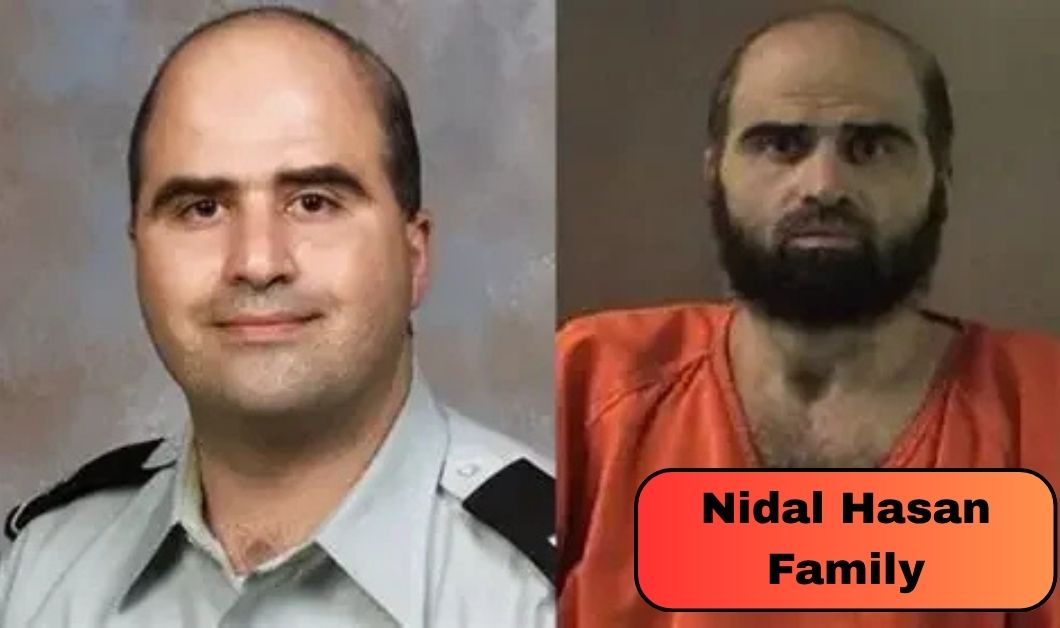
Nidal Malik Hasan became a widely known and deeply controversial figure after the 2009 mass shooting at Fort Hood, Texas. Before that tragedy, however, he had a family background rooted in Palestinian-American life, with parents who immigrated to the United States and built a new life in Virginia.
Hasan was raised in a Muslim family and was the oldest of three brothers. His parents, Malik Awadallah Hassan and Hanan Ismail “Nora” Hasan, had Palestinian roots and established businesses in Roanoke, Virginia.
While Hasan’s later actions became the focus of intense national and international attention, members of his family publicly rejected what he had done. Relatives in both the United States and the West Bank expressed shock following the 2009 attack.
Here is what is known about Nidal Hasan’s parents, brothers, extended family and personal life.
Nidal Hasan’s Parents
Nidal Hasan was born into a Palestinian-American family.
His father was Malik Awadallah Hassan, who immigrated to the United States from al-Bireh, a city in the West Bank near Jerusalem. After settling in Virginia, Malik worked to establish a family life and eventually operated several small businesses in Roanoke.
His businesses included a market, restaurant and bar.
Malik died in 1998 at the age of 51. His death occurred years before his son’s name became associated with the Fort Hood shooting.
Hasan’s mother was Hanan Ismail “Nora” Hasan. She also came to the United States from Palestine and helped with the family’s businesses in Virginia.
Nora died in 2001 at the age of 49.
The deaths of both parents occurred while Hasan was still relatively young. Their passing left Hasan and his two brothers without their parents as they continued their adult lives.
His Parents Came From Palestine
The Hasan family’s Palestinian roots were an important part of their identity.
Malik came from al-Bireh, while members of the wider family remained connected to the West Bank. The family maintained ties with relatives in areas including al-Bireh and Ramallah.
Hasan reportedly visited the West Bank only once, in 1997.
During that visit, Palestinian relatives remembered him as a calm and educated young man. They were aware of his medical training and military career and had no reason at the time to expect the events that would later make him internationally notorious.
The reaction among relatives after the Fort Hood shooting was one of shock and disbelief.
Nidal Hasan Was the Eldest of Three Brothers
Hasan grew up with two younger brothers, Annas Hasan and Eyad Hasan.
The three brothers were raised in the Muslim faith and spent their early years in Virginia.
Annas, the middle brother, eventually moved to the West Bank and settled in Ramallah. He became a lawyer and built his own life there.
Eyad, the youngest brother, remained in Virginia.
The brothers went on to live very different lives, and there is no indication that they shared their brother’s later extremist views or supported his actions.
Their separate lives became particularly relevant after the Fort Hood attack because the family faced intense public attention.
Annas Hasan Lives in the West Bank
Annas Hasan is Nidal’s middle brother.
He moved from the United States to the West Bank and settled in Ramallah, where he practiced law.
His connection to the Palestinian side of the family meant that he was among the relatives who could speak about Nidal’s earlier visits and the family’s reaction to the shooting.
Relatives in the West Bank described Nidal differently from the person portrayed in later news coverage. They remembered him from his visit in 1997 and expressed disbelief that he could have been responsible for such violence.
The contrast between those memories and the later events was difficult for the family to understand.
Eyad Hasan Remained in Virginia
Eyad Hasan is Nidal’s youngest brother.
Unlike Annas, Eyad remained in Virginia.
The Hasan family had established deep roots in the area, and Eyad continued to live there after the deaths of his parents.
Following the Fort Hood shooting, Nidal’s immediate family faced questions about whether they had noticed signs of radicalization or behavioral changes.
Family members consistently emphasized that his actions did not represent their values or the way they had been raised.
Hasan Never Married and Had No Children
Nidal Hasan never married and did not have children.
Before the Fort Hood shooting, he had reportedly sought assistance from a Muslim chaplain in finding a potential wife.
His military career was an important consideration. He wanted a spouse who would understand the demands of military service and be supportive of his professional life.
Despite making efforts to find a partner, Hasan remained unmarried.
As a result, he did not leave behind a wife or children following the 2009 shooting.
His closest immediate family connections were therefore his two brothers and his wider network of relatives in the United States and the West Bank.
His Extended Family Was Spread Across Two Regions
The Hasan family had relatives on both sides of the Atlantic.
In the United States, Nidal grew up around members of his extended family in Virginia.
In Palestine, relatives remained connected to the family’s ancestral communities, particularly al-Bireh and Ramallah.
This extended network became the subject of media attention after the Fort Hood attack.
Relatives in the West Bank spoke to journalists about their memories of Nidal and expressed their shock at what had happened.
Some remembered him as a quiet and accomplished person who had spoken proudly about becoming a doctor and serving in the U.S. military.
The family’s response showed how difficult it was for relatives to reconcile the person they remembered with the actions attributed to him.
His Family Condemned the Fort Hood Shooting
One of the clearest points made by Hasan’s family after the 2009 attack was that they did not support his actions.
His immediate U.S. relatives issued a statement through a spokesperson describing the shooting as “despicable and deplorable.”
They also stressed that his actions did not reflect the values with which he had been raised.
This distinction was important because the attack quickly generated discussions about Hasan’s family background and religious upbringing.
His relatives made clear that being part of the same family did not mean sharing his beliefs or accepting his actions.
His cousin Nader Hasan also spoke publicly against violent extremism.
The family’s response was therefore one of condemnation rather than defense.
Palestinian Relatives Were Also Shocked
Relatives in the West Bank reacted with similar disbelief.
Nidal’s cousin Mohammed Hasan was among those who spoke about the family’s reaction.
For relatives who had seen Nidal during his 1997 visit, the person they remembered did not fit the image that emerged after the Fort Hood shooting.
They remembered a man who had pursued medicine and military service and who had appeared proud of his professional accomplishments.
The news therefore came as a profound shock.
Family members were left trying to understand how someone they remembered from their own community could become responsible for such a devastating act.
His Family Background Does Not Explain His Actions
It is important to distinguish Hasan’s family background from his individual actions.
His parents were Palestinian immigrants who built businesses and raised their children in Virginia. His brothers pursued their own careers and lives. His relatives publicly condemned violence and rejected any suggestion that the attack represented the family’s values.
Being raised in a particular religion, ethnicity or family environment does not by itself explain an individual’s decision to commit violence.
In Hasan’s case, his family’s response demonstrated that his actions were not something they accepted or endorsed.
A Family Changed by a National Tragedy
The Fort Hood shooting permanently changed how the Hasan family was viewed by the public.
Before 2009, they were largely an ordinary Palestinian-American family with roots in Virginia and the West Bank.
After the shooting, their family name became connected to one of the most traumatic attacks involving U.S. military personnel.
Yet the relatives who spoke publicly focused on their own values and their rejection of violence.
Nidal Hasan’s parents had died years before the attack, meaning they were not alive to witness the consequences of their son’s actions.
His brothers and extended relatives, however, had to deal with the intense attention that followed.
Nidal Hasan’s Family Today
The story of Nidal Hasan’s family is ultimately separate from the crimes that made him infamous.
He was the eldest of three brothers, raised by Palestinian immigrant parents in Virginia. His father, Malik Awadallah Hassan, and mother, Hanan Ismail “Nora” Hasan, both died before the Fort Hood shooting.
His brother Annas lives in the West Bank, while his younger brother Eyad remained in Virginia. Hasan himself never married and had no children.
His extended family remains connected to both the United States and Palestine.
Following the 2009 attack, relatives on both sides publicly expressed their shock and condemned the violence.
For those researching Nidal Hasan’s family, these details provide a picture of the people and background surrounding him while also showing an important distinction: his family’s heritage, religion and personal history should not be confused with the individual choices that ultimately defined his public legacy.