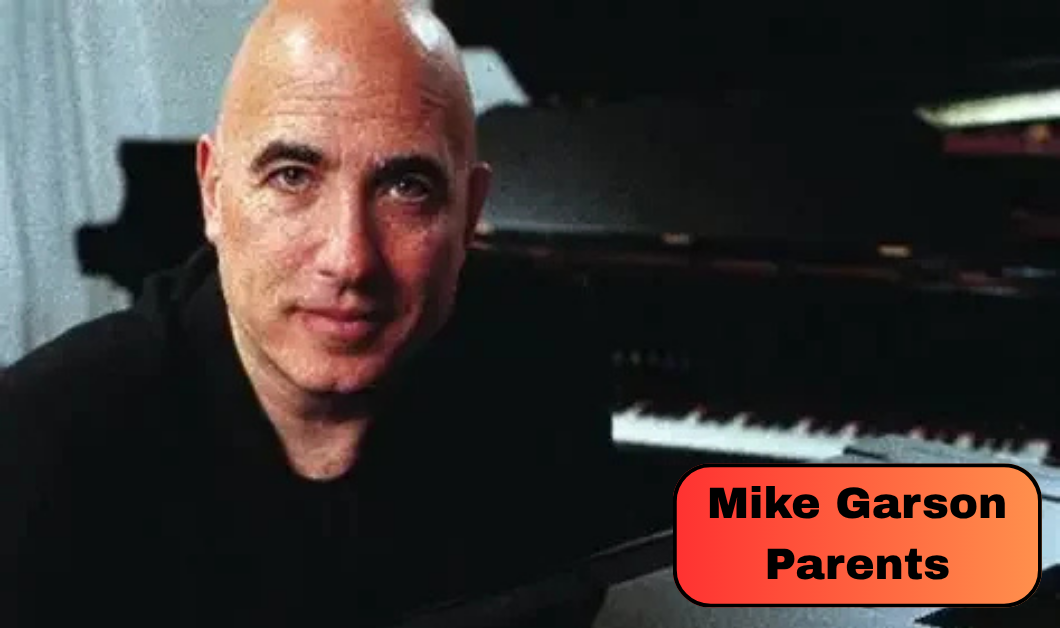
Mike Garson is widely respected as one of the most distinctive pianists to come out of the American music scene. Known for his extraordinary technique, improvisational ability and work with artists such as David Bowie, Garson developed a musical voice that could move between jazz, classical music, rock and experimental sounds.
Long before he became a professional musician, however, his musical journey began at home in Brooklyn, New York. His parents played an important role in introducing him to music and encouraging him to develop his natural ability.
Mike Garson’s parents were not famous musicians themselves, but their influence on his childhood was significant. His father opened the door to live jazz in an unexpected way through his job as a liquor salesman, while his mother found her own creative method of making sure her young son took piano practice seriously.
The story of Garson’s parents offers an interesting look at how family support, discipline and opportunity can shape a future musician.
Who Were Mike Garson’s Parents?
Mike Garson grew up in Brooklyn in a musical household. His parents loved music, and piano playing became part of everyday family life.
Garson has recalled that his father worked as a liquor salesman. His job gave him access to places that would have been unusual destinations for a young child, including the famous Half Note jazz club in Manhattan.
His mother also played the piano, and so did Garson’s sister. With several people in the family playing the instrument, Garson experienced a form of friendly competition at home.
That environment helped make music a normal part of his childhood rather than something separate from everyday family life.
Garson began piano lessons when he was seven years old. His early training eventually became the foundation for a career that would take him far beyond Brooklyn.
His Father Introduced Him to Jazz
One of the most important contributions Garson’s father made to his musical development came through his profession.
As a liquor salesman, his father sold liquor to the Half Note, a well-known jazz club located at Spring and Hudson Streets in Manhattan. Through that connection, Garson’s father was able to bring his son into an environment filled with some of the most exciting jazz musicians of the period.
For a young musician, this was an extraordinary opportunity.
Rather than only hearing jazz through records or radio, Garson could experience live performances and see professional musicians working in person.
His father eventually introduced him to Lennie Tristano, the influential blind jazz pianist and teacher.
The meeting would become a major turning point in Garson’s development.
Meeting Jazz Pianist Lennie Tristano
Garson’s connection with Lennie Tristano began in a rather unusual way.
As a young pianist, he had the opportunity to audition for Tristano during a break in a performance. Garson played the jazz standard “Take Five” during the audition.
Tristano accepted him as a student, and Garson studied with him for three years.
That experience gave the young pianist exposure to an important school of jazz thinking. Tristano was known for his highly individual approach to improvisation and his influence on generations of jazz musicians.
Garson has credited his father with being the person who truly opened his ears to jazz.
In that sense, his father’s role went beyond simply encouraging piano lessons. He helped place his son directly in front of the music that would become a major part of his artistic identity.
His Mother’s Unusual Piano Practice Trick
Garson’s mother had a very different way of influencing his musical education.
She wanted him to practice regularly, reportedly aiming for between 30 and 60 minutes of piano practice each day. Like many parents, she understood that talent alone would not be enough.
But instead of simply telling her son to practice, she came up with a clever trick.
Garson has recalled that his mother would sometimes pretend to call his piano teacher and say that she wanted to cancel his lessons.
The idea was simple. If Mike wanted to continue taking piano lessons, he needed to practice.
It was a clever piece of childhood psychology. Rather than making piano practice feel completely forced, his mother created the possibility that the lessons he enjoyed could disappear.
For a young musician, that was enough motivation to sit at the piano.
A Musical Family Created Healthy Pressure
Garson did not grow up as the only person in his family who played piano.
His parents and sister were also involved with the instrument, creating what can be described as healthy peer pressure inside the household.
That environment may have encouraged him to take his playing seriously from a young age.
Music was not something he could ignore at home. Other members of the family were playing, practicing and developing their own relationship with the piano.
Starting lessons at seven gave Garson an early foundation, but the atmosphere around him helped reinforce the habit.
His mother’s discipline and his father’s exposure to jazz worked together in an interesting way. One parent helped create the structure needed to develop his skills, while the other introduced him to a wider musical world.
The Childhood Memory That Survived the Wildfire
Perhaps the most touching connection between Garson and his parents can be found in an object that survived a devastating California wildfire.
Garson later lost his home and recording studio in a wildfire. Much of what he had accumulated over the years was destroyed in the fire.
Yet among the extremely small number of childhood possessions that survived was a tiny baby boot.
His parents had preserved and bronzed the boot for him when he was a child.
The object had no connection to his professional career or musical achievements. It was simply a small family keepsake from the earliest part of his life.
Its survival made it especially meaningful because it represented a physical connection to his parents and his childhood after so many other belongings had been lost.
How His Parents Shaped Mike Garson’s Career
It would be difficult to separate Garson’s later musical achievements from the environment he experienced as a child.
His father helped him discover jazz at a time when live performances could have a profound impact on a developing musician. Meeting Lennie Tristano gave him access to serious jazz education while he was still young.
His mother, meanwhile, helped teach him the importance of discipline.
Talent can open a door, but practice is what allows a musician to walk through it. Garson’s childhood combined both encouragement and expectation.
His family’s relationship with the piano also gave him a musical community inside his own home.
These early experiences eventually contributed to the highly individual musician Garson became.
From Brooklyn Childhood to International Recognition
Mike Garson eventually developed a career that extended well beyond the jazz world.
He became particularly known for his collaborations with David Bowie, including his memorable piano performances that brought a strong jazz influence to Bowie’s music.
His playing has also crossed genres, reflecting the broad musical education he received early in life.
The foundation was laid in Brooklyn, where his parents encouraged him to practice, exposed him to different sounds and helped him find his own musical direction.
His father’s connection with the Half Note and Lennie Tristano was especially important because it allowed Garson to encounter serious jazz at a young age.
Mike Garson Parents’ Lasting Influence
Mike Garson’s parents may not have been professional musicians, but they played an important part in the story of how he became one.
His father, a liquor salesman, gave him an unusual route into the world of jazz by introducing him to the Half Note and eventually Lennie Tristano. His mother helped develop his discipline with her memorable piano-practice strategy.
Together with his sister and the family’s shared interest in piano, they created an environment where music was always present.
Even decades later, a tiny bronzed baby boot from his childhood became a reminder of that family support. After losing so much in a California wildfire, the survival of that small keepsake carried a meaning far beyond its size.
For anyone searching for the story behind Mike Garson’s parents, the answer is really a story about opportunity, discipline and love for music. His parents helped give him the tools and experiences that allowed an exceptionally talented young pianist from Brooklyn to grow into the celebrated musician he became.